

March 12, 2026 – Florida Secretary of State Cord Byrd announced today that the Pan American Airways Historic District in Miami, Miami-Dade County, has been listed in the National Park Service’s National Register of Historic Places.
“I am pleased to announce that the Pan American Airways Historic District has been listed on the National Register of Historic Places,” said Secretary of State Cord Byrd. “This district represents Florida’s leadership role in the history of aviation and innovation in the industry.”
The Pan American Airways Historic District is located on NW 36th Street within the boundaries of Miami International Airport. The district was listed in the National Register of Historic Places because of its architectural and design significance, as well as its importance to the history of transportation and aviation in the United States.

The district contains five buildings built by and for Pan American Airways during its years of operation. Each building represents a distinct style of 20th century architecture or method of construction, and served different, important functions for airport operations. Hangar 5 was constructed in 1929 and is one of the earliest experimental hangar designs in the country. Hangar 5 is the last extant building associated with the founding of Pan Am. Hangars 6 and 7 are one massive double-hangar designed in 1943 by engineer Fred J. Gelhaus to support WWII pilot training and supply missions.
In 1964, Miami-based architectural firm Steward-Skinner Associates designed the Latin American Division (LAD) Headquarters and the Maintenance and Overhaul Complex. Known locally as the “Taj Mahal,” the LAD Headquarters is a two-story concrete block office building and is an excellent example of the New Formalist style. The Maintenance and Overhaul Complex is a large concrete block industrial building with Modernist influences. Finally, the 1980 Flight Academy is a three-story concrete block Brutalist building that housed the most advanced flight academy of its era. All five buildings contribute to the district and retain their character-defining features and historic integrity.

Pan American Airways is widely recognized as having played a uniquely important role in the development of 20th century commercial passenger aviation. Its choice of Miami as its first permanent base of operations transformed the city and its development. Pan Am’s first regularly scheduled international passenger routes to the Caribbean, West Indies, and Central and South America were from this Miami base. In 1929, the Pan Am airport became the first U.S. port of entry for international air travel built on the U.S. mainland. For decades, Pan Am was one of Miami’s largest employers and a major contributor to its economy.
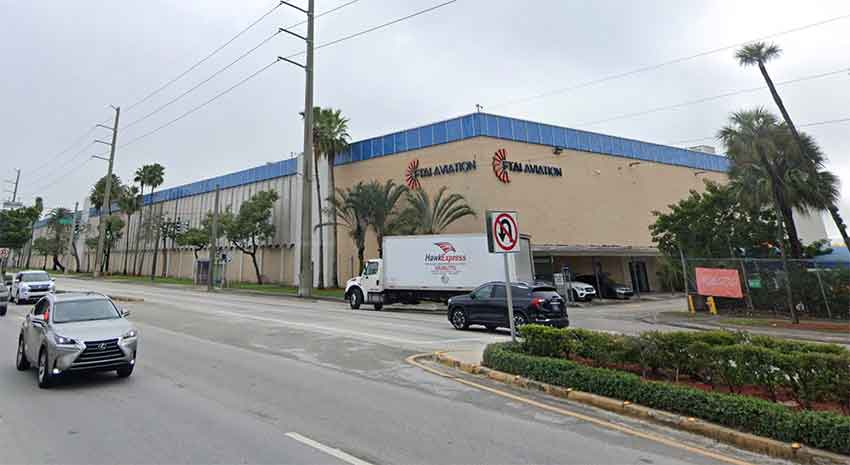
During World War II, Pan Am made important contributions to the Allied war effort by providing planes and pilots to ferry troops and supplies to Africa and Asia via its famous “Cannonball” route. Pan Am instructors also conducted wartime aviation training schools in Hangars 6 and 7, graduating thousands of students by the end of the war. During the post-war era, Pan Am continued to expand its reach across the globe and was at the forefront of the jet age, ushering in new technologies and flying techniques ahead of its competitors.
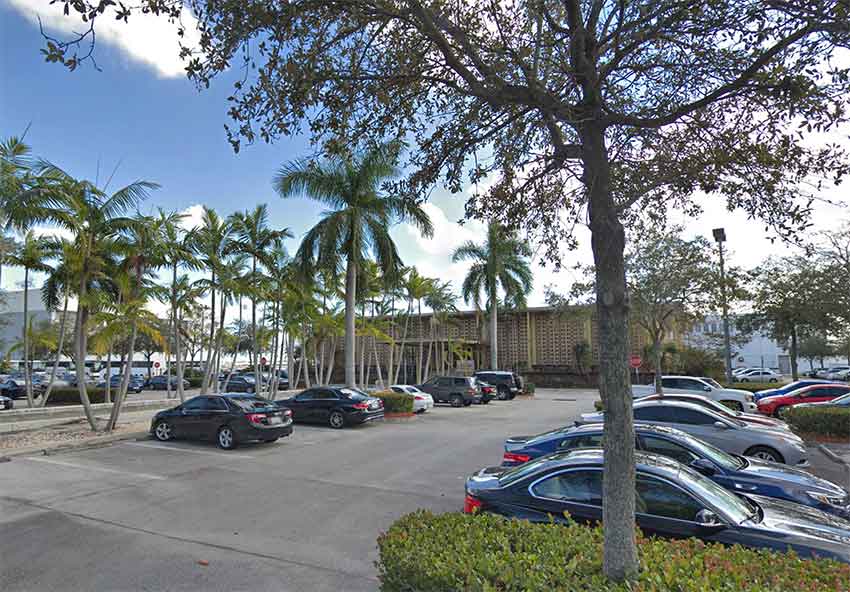
In the mid-1960s, Pan Am completed a multi-million-dollar maintenance building and a stunning new Latin American Division (LAD) Headquarters building on the site of its former terminal. The Flight Academy opened in 1980 and was the most sophisticated and advanced flight training school in the world, for both pilots and airline crew. While Pan Am built facilities across the country, these are some of the few extant resources left associated with Pan Am and the only collection of Pan Am facilities in one place that tell its full story from its earliest days to its lasting legacy.