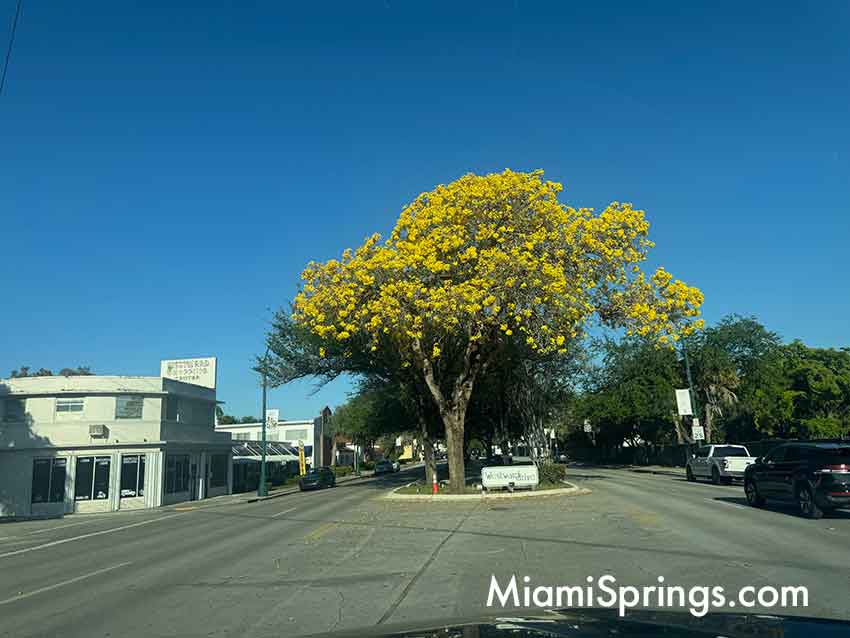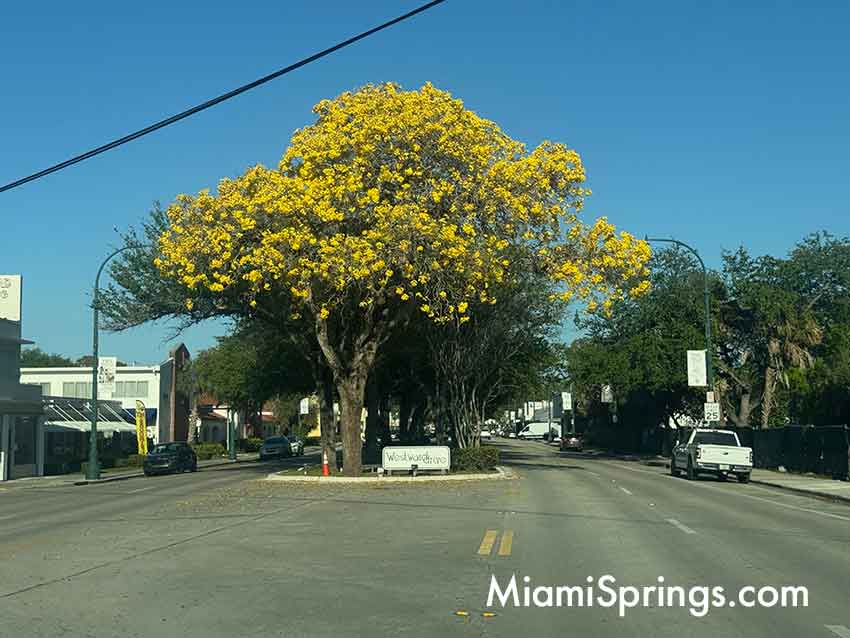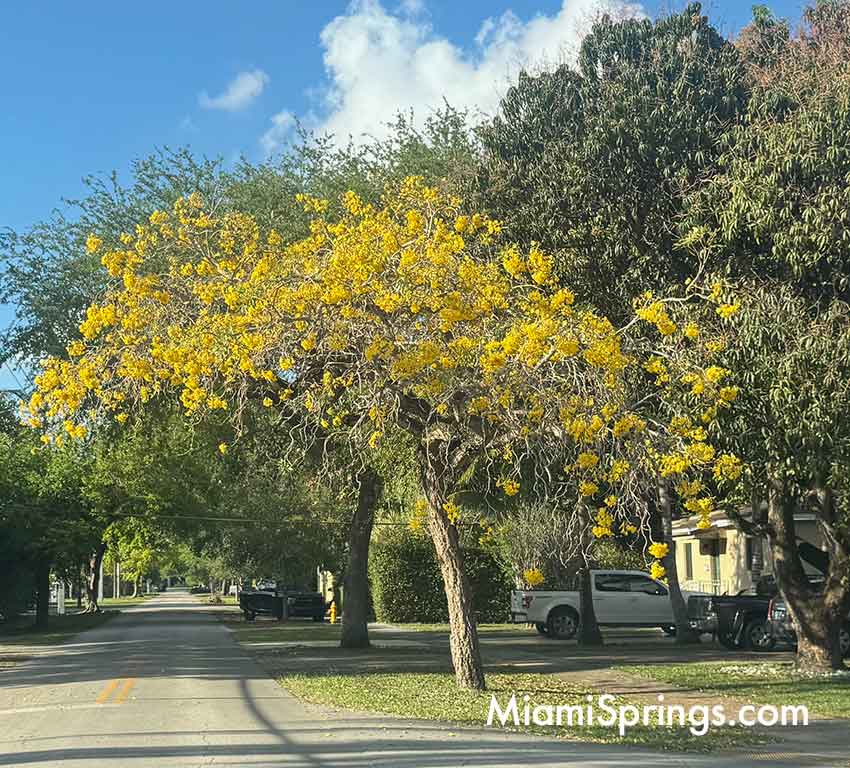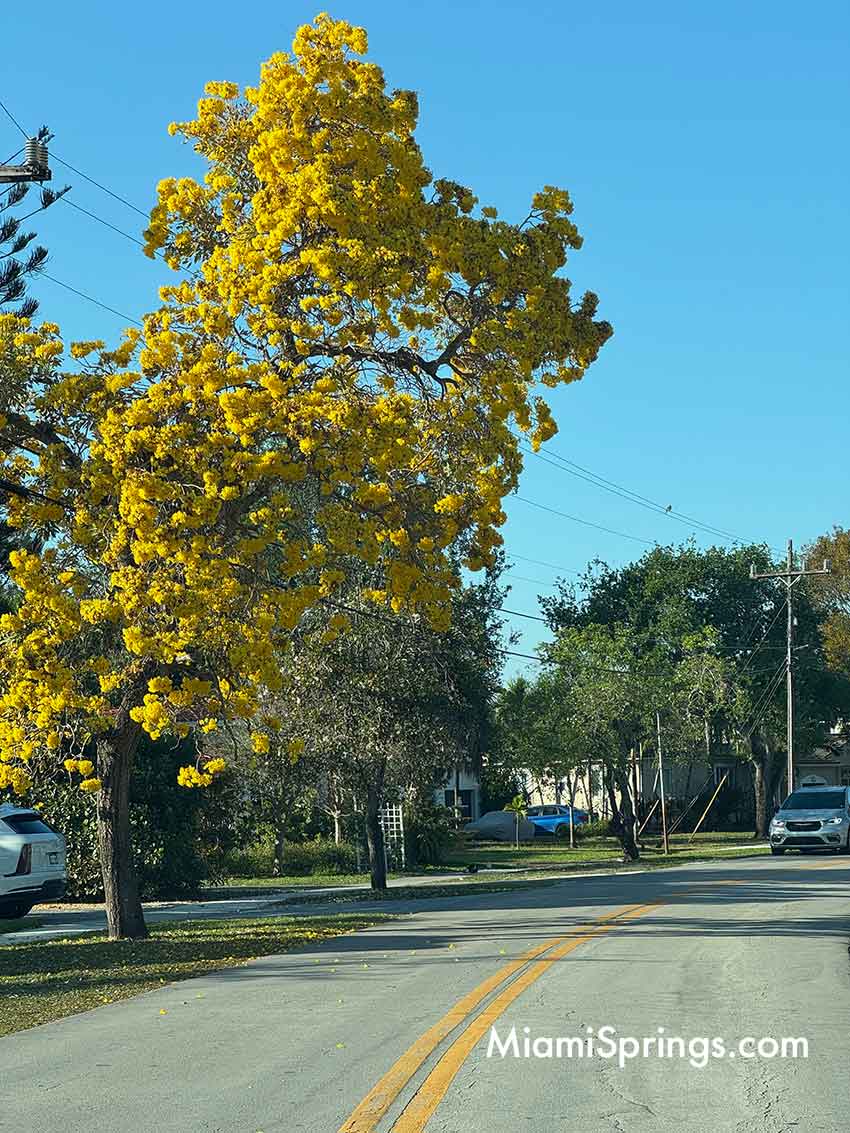


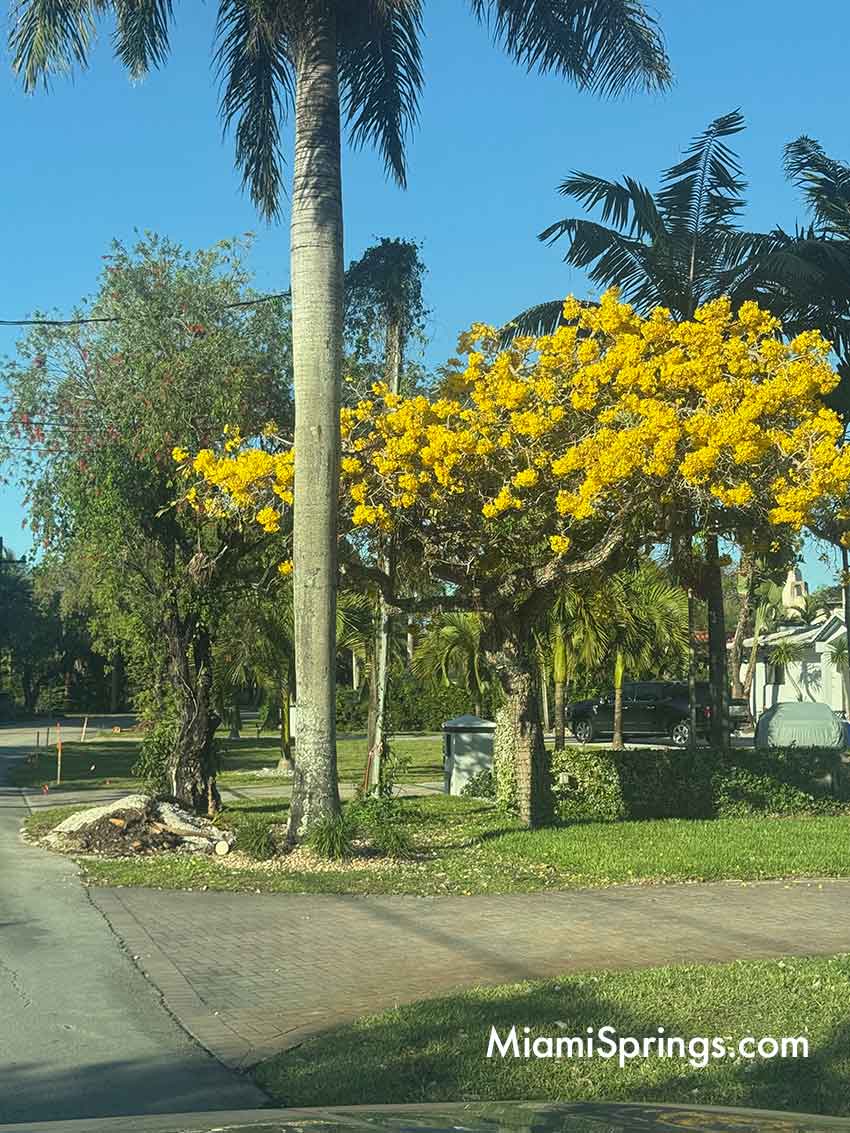
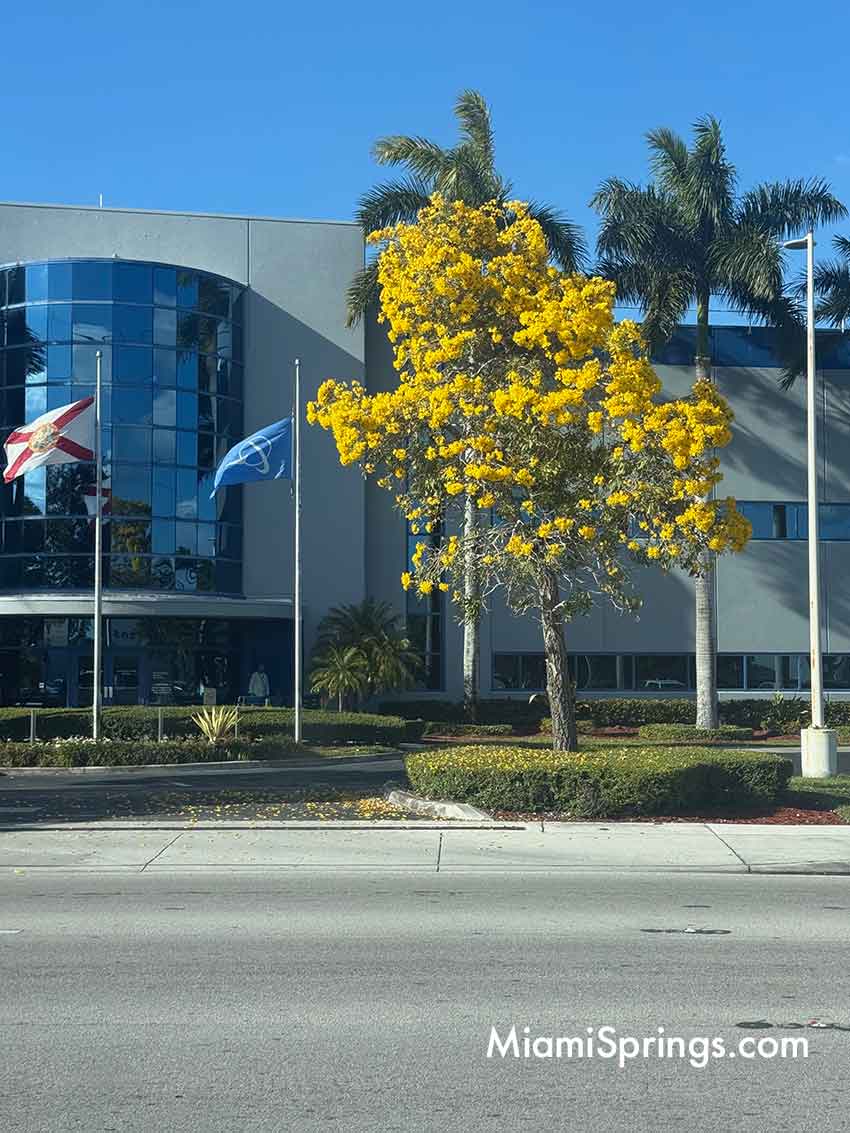
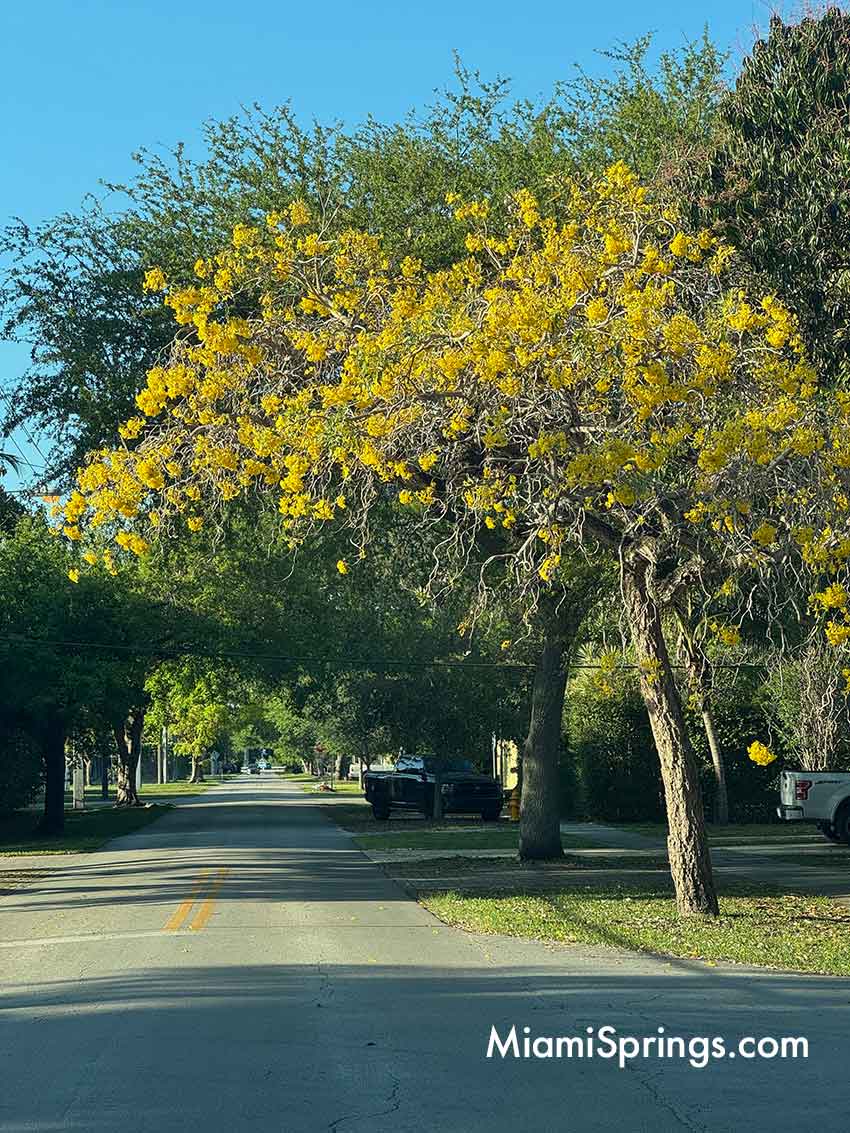
Spring is in full bloom in Miami Springs. And as you drive or walk down our local streets, you’ll inevitably find yourself suddenly dazzled by a tree entirely engulfed in brilliant, highlighter-yellow flowers. Chances are you’ve just met the Golden Trumpet Tree.
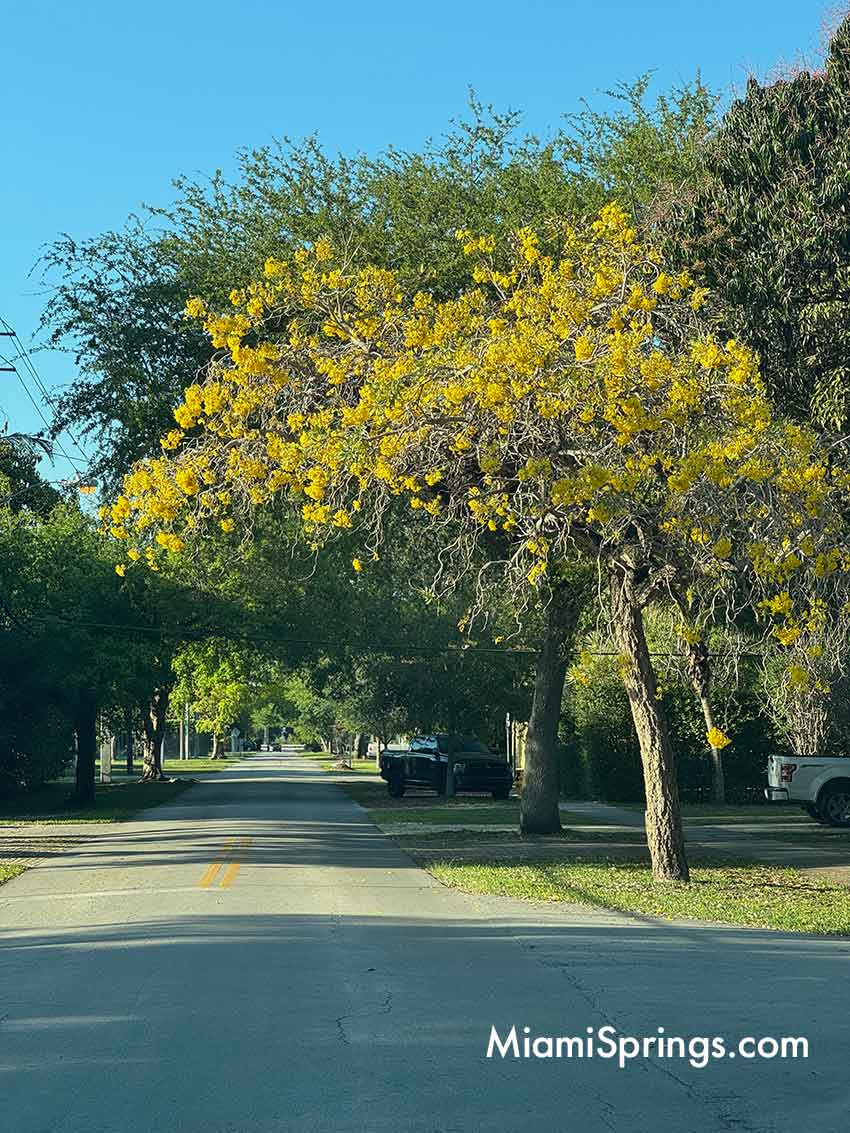
Also known as the Yellow Trumpet Tree (and known to botanists as Handroanthus chrysotrichus, formerly Tabebuia chrysotricha), this plant doesn’t just bloom; it puts on a spectacular, traffic-stopping show. Whether you are a dedicated gardener looking for your next landscaping centerpiece or simply a nature lover, here is why this radiant tree deserves your attention.
The Botanical Basics
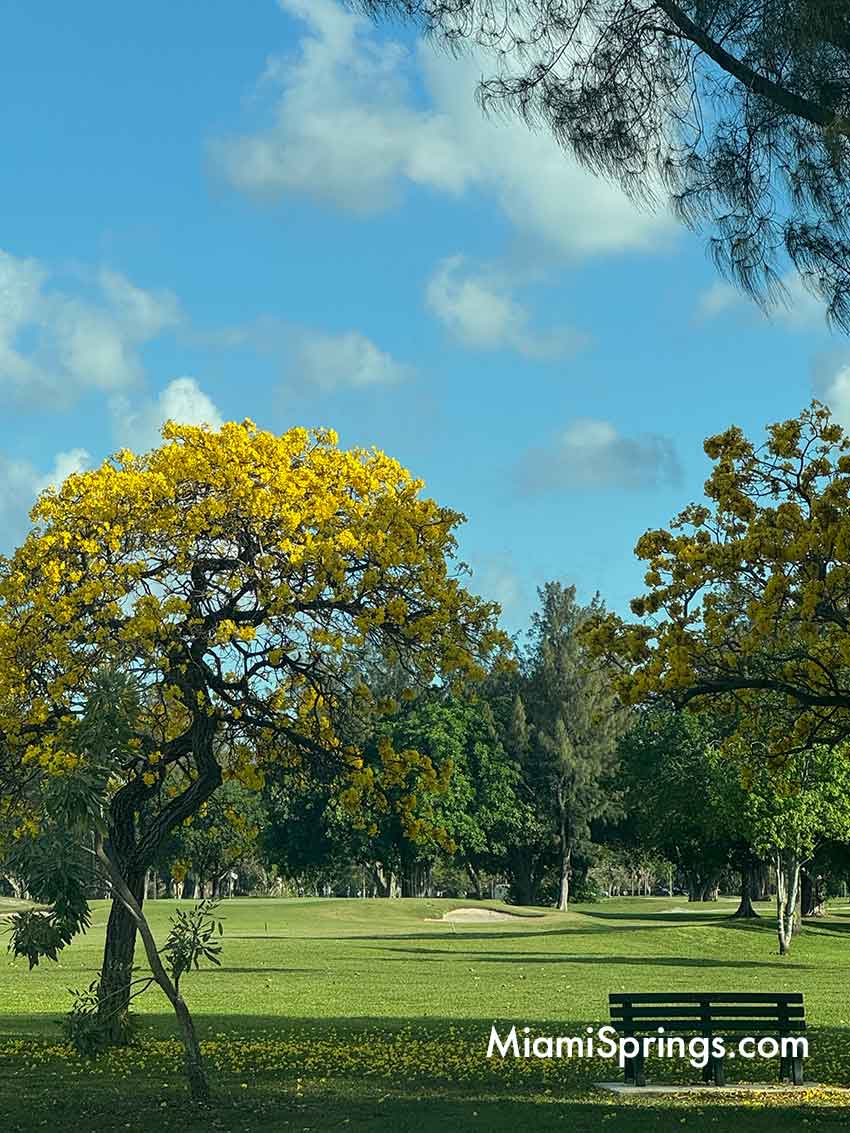
Native to the warm, tropical climates of South America—particularly Brazil, where a closely related species is actually the national tree—the golden trumpet thrives in regions with mild winters. You will frequently spot them bringing a splash of joy to streets and gardens in places like Florida, Southern California, and Hawaii.

It is a semi-evergreen to deciduous tree, meaning its foliage behavior depends heavily on the local climate. But what makes it truly special is how it prepares for its springtime performance.
A Springtime Spectacle
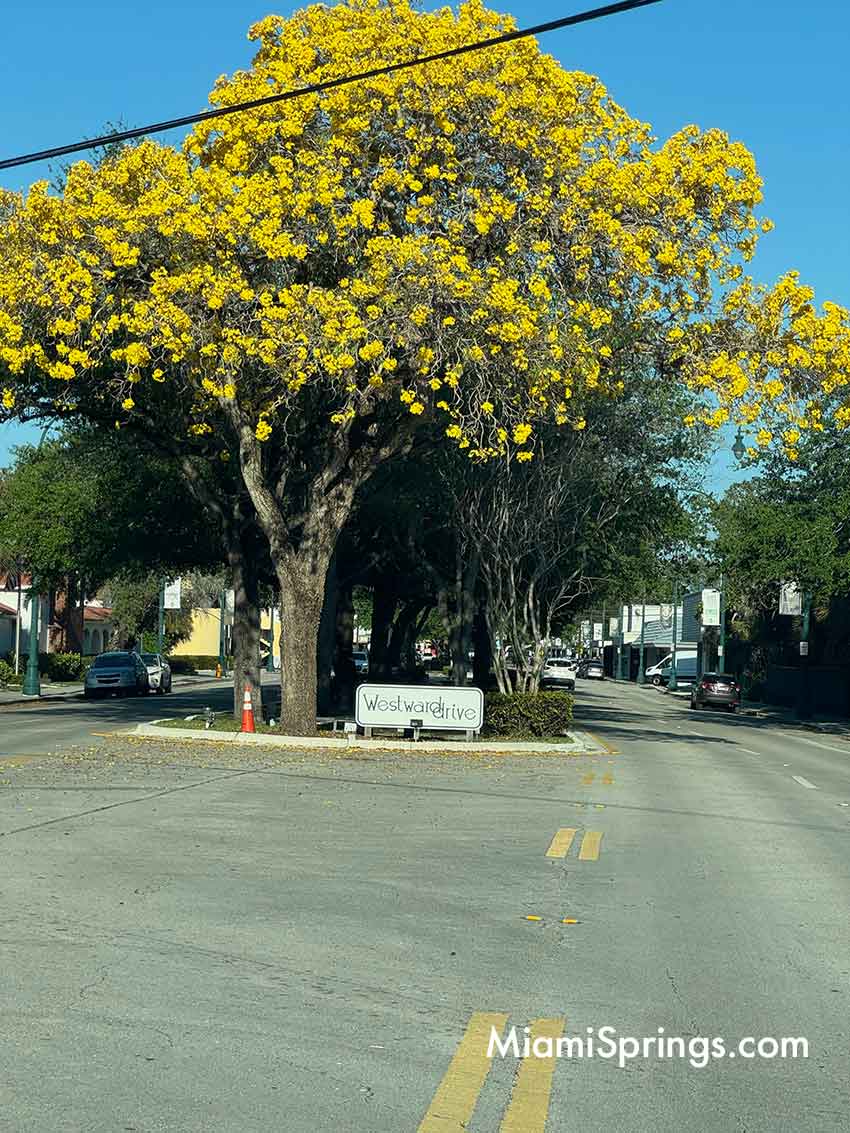
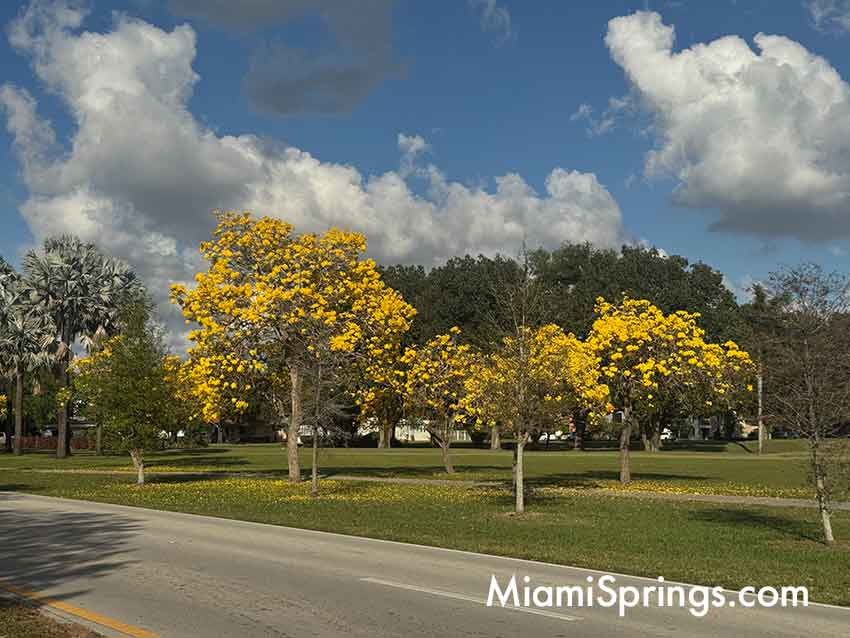
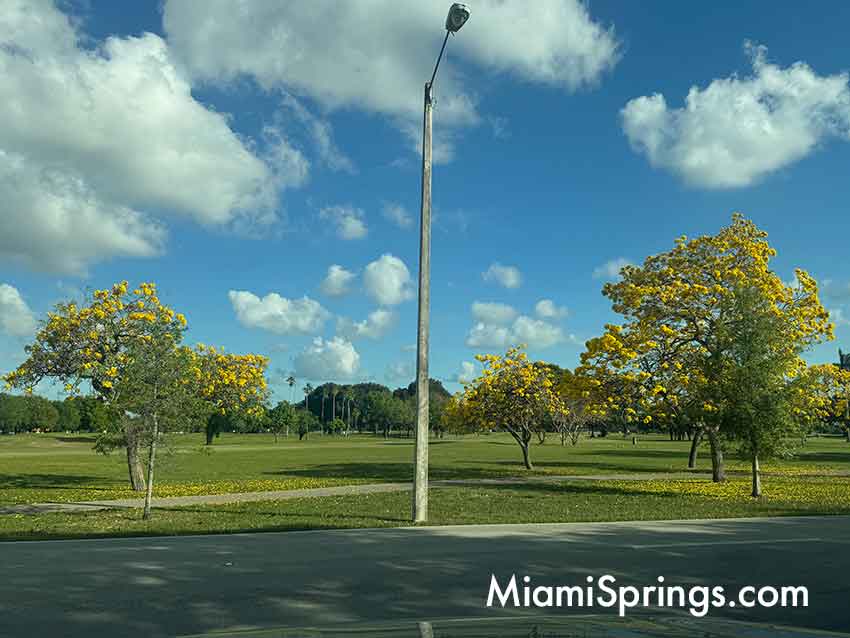
The magic of the golden trumpet tree lies in its dramatic timing. Just as winter comes to a close, the tree typically drops all of its silvery-green leaves. It stands completely bare for a brief period before suddenly erupting into a dense canopy of trumpet-shaped, golden-yellow blooms.
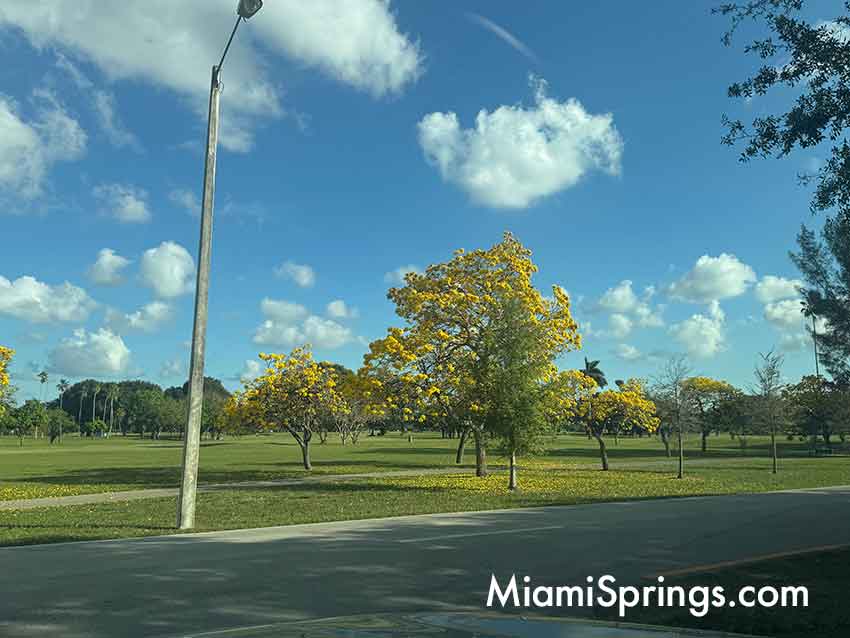
Because the branches are completely leafless during peak bloom, the flowers face zero visual competition. The result is a solid, glowing cloud of yellow that hums with the activity of bees, hummingbirds, and butterflies drawn to the nectar-rich trumpets.
Tips for Growing Your Own
If you live in USDA Hardiness Zones 9b through 11 and want to bring this sunshine into your own yard, the golden trumpet tree is surprisingly low-maintenance once established. Here are a few quick tips for success:
-
Plant in Full Sun: To get that spectacular floral display, this tree needs plenty of direct sunlight—at least six to eight hours a day.
-
Prioritize Drainage: They are incredibly forgiving of poor soil, but they absolutely despise having “wet feet.” Ensure your planting spot has excellent drainage.
-
Water Sparingly: The golden trumpet tree is highly drought-tolerant. In fact, a dry period in the winter is often exactly what triggers the most explosive spring bloom.
-
Give it Room: While it’s a moderately sized tree (typically topping out around 25 to 35 feet), its canopy can spread quite wide, so plant it where it has room to stretch its branches.
A Golden Addition to the Garden
The golden trumpet tree is a testament to nature’s ability to brighten our days. Even after the blooms drop—creating a stunning golden carpet on the grass below—the tree grows its lush, fuzzy leaves back, providing excellent summer shade. If you have the right climate for it, planting one is like investing in a guaranteed annual festival of color right in your own backyard.
Tree Canopy
The golden trumpet tree is just one ingredient in the cornucopia that makes up Miami Springs’ beautiful tree canopy. Chances are, if you’ve recently moved into Miami Springs, part of what attracted you to our town is that glorious tree canopy. It is up to all of us to continue to protect our tree canopy.
The best way is to plant more trees to add to our canopy. It not only beautifies your home, but it also provides precious shade during the hot summer months, adds to the beauty of our neighborhood, and even provides a home for a variety of animals including birds, squirrels, opossums, raccoons, and much more.
What do you think?
Do you enjoy the yellow flowers this time of year? What’s your favorite flowering tree this spring?