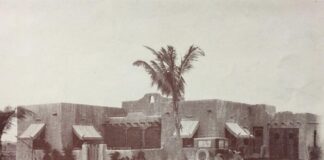


The 1920s: Building the Future Miami Springs
War was over. The economy was booming. And there was a massive Florida land boom. Say hello to the Florida Land Boom.
-
Returning soldiers and northern investors flooded into Florida, sparking a real estate boom.
-
The end of the war brought optimism, investment capital, and a surge in demand for warm-weather destinations, fueling massive growth in areas like Hialeah, Miami Springs, and Coral Gables.
-
Developers (including Curtiss & Bright) capitalized on this surge by planning new cities with cohesive architecture, roads, utilities, and amenities.
-
Communities like Hialeah (1925), Country Club Estates (later Miami Springs, 1926), and Opa-locka (1926) emerged as part of this postwar boom
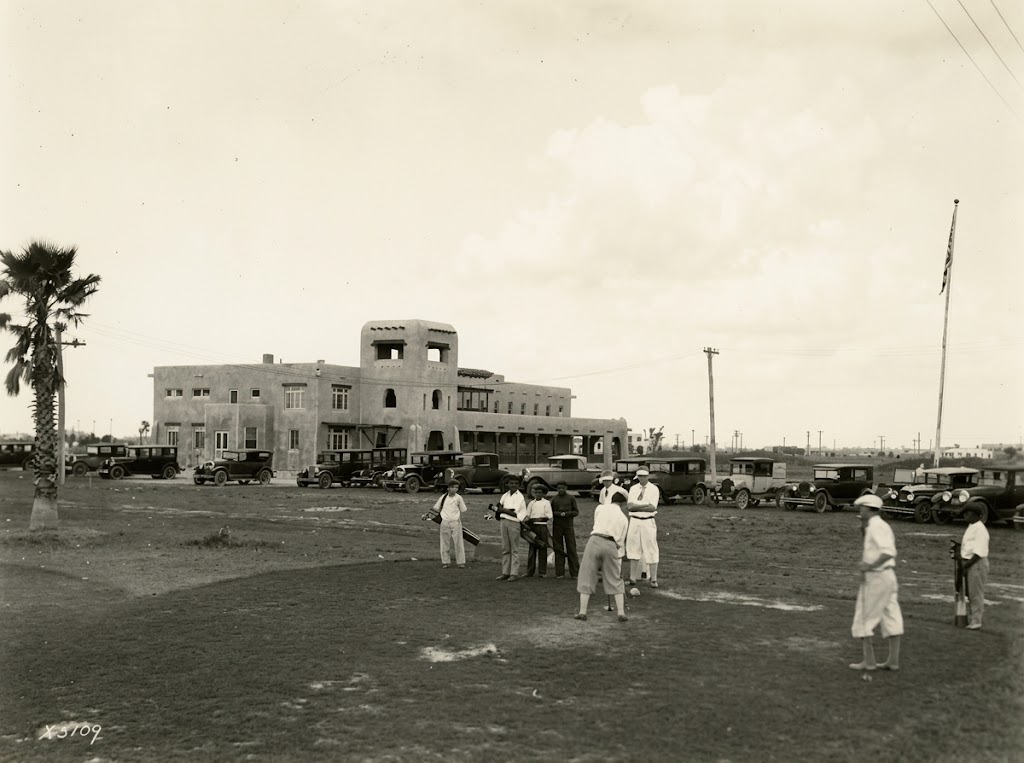
1921 – 1923: Miami Springs Golf & Country Club
The Miami Springs Golf Course—originally known as the Miami-Hialeah Golf Club—was conceived in 1921 and officially opened to the public on January 1, 1923.
-
1921 – The idea for the golf course was developed by aviation pioneer Glenn Curtiss, land developer James Bright, and a group of local golf enthusiasts known as the “Miami Coconuts.” It was part of the broader vision for a planned community then called Country Club Estates (now Miami Springs).
-
1922 – Construction of the 18-hole course began, designed with natural contours and water features from the local terrain, including the springs discovered during development.
-
January 1, 1923 – The golf course officially opened to the public and quickly became a popular destination for golf enthusiasts and socialites in South Florida.
1923: Natural Springs Discovered?
There is adebate about whether or not there were ever really natural springs in Miami Springs. Here’s what we know for sure:

- Before Miami Springs was called Miami Springs, the area was incorporated as Country Club Estates. However, many people called it “Miami’s Springs”. Why would the area be referred to as “Miami’s Springs?” Well, we were and still are the primary source of fresh water for much of Miami-Dade County.
- In order to have a spring, you need pressure (usually from gravity pushing water down elsewhere) to push the water up in Miami Springs. After the dredging of the canals, the pressure was released allowing water to flow east to Biscayne Bay. This pressure relief would reduce the likelihood of a natural spring in the area.
- Before the dredging of the canal, the area was oftentimes flooded as part of the Everglades.
- There was so much fresh water in the area (pre-canal draining) t
- However, there is much folklore that we did indeed have natural springs. And it’s no secret that if you dig deep enough in Miami Springs, you will get water.
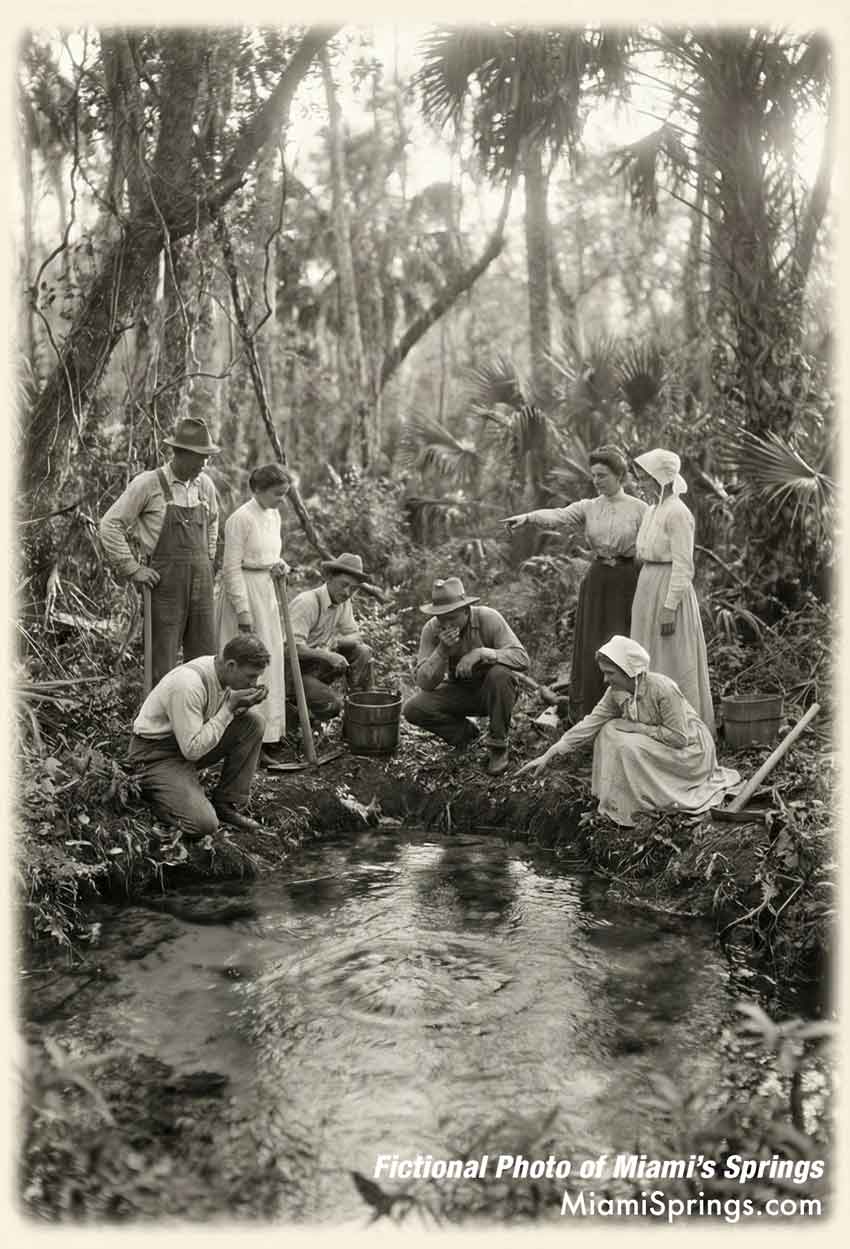
- We have no photo evidence of any natural springs bubbling up in our community. But if there ever was any discovery, we can imagine it looking something like what we see below:
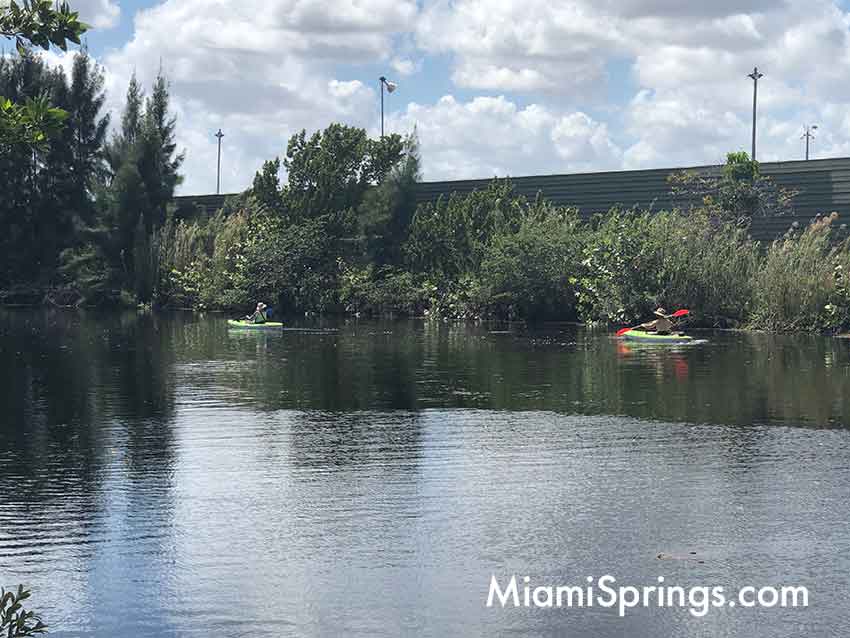
1923: Boats Docking at the Foot of Curtiss Parkway
1923 The Foot of What Would Become Curtiss Parkway in Miami Springs by Ken Wilde
1924: First Miami Springs Residential Home Constructed
1924: Warren Pony Swing Bridge
- Purpose: Replaced a less efficient pontoon system, connecting Hialeah and Miami Springs for vital auto and river traffic.
- Design: A steel, off-center pivot (bobtail) swing bridge, unique in Florida, built by Champion Bridge Company.
- Funding: Donated to Dade County by founders Glenn Curtiss and James H. Bright.
- Evolution: Modified in 1941 for increased traffic and remains in continuous use, primarily for incoming traffic, though its swing function is largely inactive.
Warren Pony Swing Bridge Connecting Miami Springs and Hialeah Since 1924
1924: Miami Springs Air Strip on Westward Drive
1925: Curtiss Mansion Constructed
Famed inventory and aviation pioneer, Glenn Curtiss built his mansion alongs the Miami Springs Golf Course in 1925.

1925: 201 Westward Drive Constructed

1925 description:
“The Adams building on Broadway in Country Club Estates is completed and tenanted throughout. In this building are the offices of the Everglades Construction Corporation, the offices of Maj B. L. Smith supervisor of construction for Country Club Estates and contractor in charge of construction of many of the residences, the office of Charles C. Stover architect who designed the building and also is the architect for many homes under construction in that development, and the completely equipped service station of the Everglades Construction Corporation. This service station has been designed to carry full equipment of accessories for motor vehicles. The gas is in concealed tanks in Spanish mission towers.”
The overhang around the building was severely damaged in the Great Miami Hurricane of 1926 and not replaced. This building became the Miami Springs city hall and was demolished in 1964 to be replaced with the current city hall. – Ken Wilde
June 8, 1925: Completion of Ludlam Canal
1925: Historic Miami Springs Downtown Development
September 10, 1925: Hialeah is Born
The City of Hialeah was officially incorporated on September 10, 1925.
Cars crossing the Miami Canal to and from Hialeah and Miami Springs in 1926
 Credit this photo: State Archives of Florida, Florida Memory, https://floridamemory.com/items/show/165449 Fishbaugh, W. A.(William A.), 1873-1950
April 5, 1925: Miami Springs / Hialeah Tornado
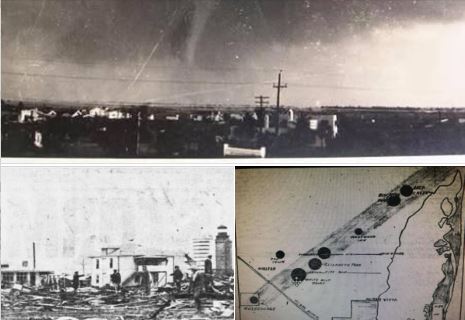
Shortly after noon golfers at the Hialeah Golf Course (now called Miami Springs Country Club) were the first to spot the funnel cloud coming out of the Everglades. The tornado leapfrogged over the golf course & Hialeah taking the roof off of one of the barns at the Miami Jockey Club(now Hialeah Race Track) & then decimating the White Belt Dairy Farm. The funnel remained churning for almost an hour killing 5 people. This rare photo of the tornado was taken by a salesman atop a tower in Hialeah. The map shows the path of the tornado. – Ken Wilde
1926 – 1940: “Old Betsy” Miami Springs Fire Truck
https://new.miamisprings.com/old-betsy-miami-springs-fire-truck-1926-1940/
1926: Creation of Twin Lakes

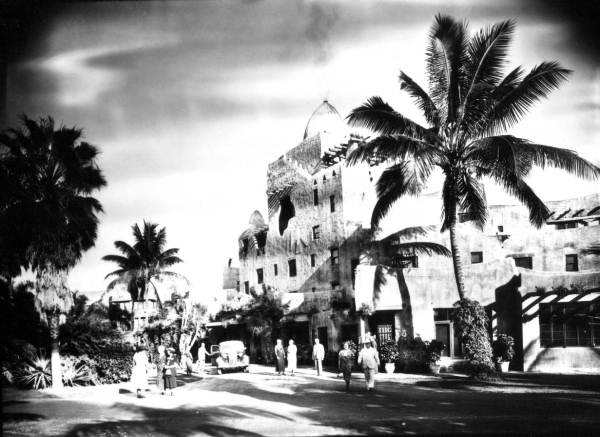
1926: Hotel Country Club Construction
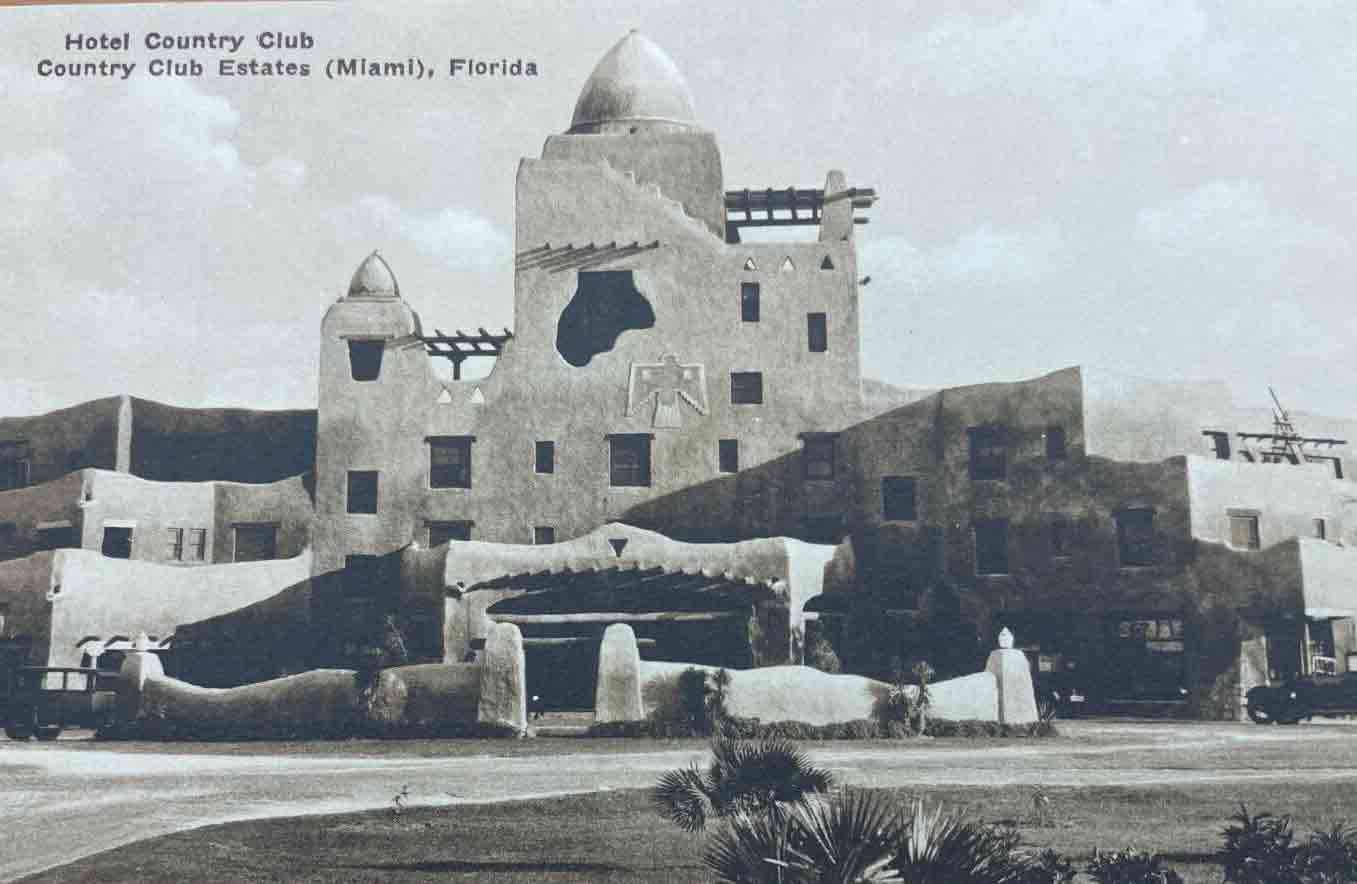
A landmark example of the Pueblo Revival architectural style, the Hotel County Club (Fairhavens) was built in 1926 by Glenn Curtiss and designed by architect Bernard E. Muller. The luxurious hotel was intended to anchor the development of Country Club Estates, and to comfortably house prospective purchasers. It was furnished in a Southwestern style, with hand-woven Pueblo Indian rugs on the floor and handcrafted solid mahogany furniture. Its domes towered five stories over the new community, which was still largely grassy and rural with fewer than five other permanent structures.
August 23, 1926: Miami Springs Incorporation
The City of Miami Springs was officially incorporated on August 23, 1926. The original name for Miami Springs was “Country Club Estates.” However, the area was colloquially called “Miami’s Springs” thanks to the natural springs discovered in the area. As a result, the city officially changed its name to “Miami Springs” in 1930.
Country Club Estate Home circa 1926
 Credit this photo: State Archives of Florida, Florida Memory, https://floridamemory.com/items/show/165576
Country Club Estates Apartment Building circa 1926
 Credit this photo: State Archives of Florida, Florida Memory, https://floridamemory.com/items/show/165585 Fishbaugh, W. A.(William A.), 1873-1950
September 18, 1926: The Great Miami Hurricane
-
🗓️ Date: September 18, 1926 (early morning landfall)
-
🌀 Category: Estimated Category 4 (with winds up to 150 mph)
-
🌊 Storm surge: Up to 15 feet in some areas
-
📍 Landfall location: Near Miami Beach and Coral Gables, then passed over downtown Miami, Hialeah, and Miami Springs.
🌀 Impact on Miami Springs (Country Club Estates):
-
Widespread structural damage: Many of the early Pueblo Revival-style homes, still under construction in 1926, were severely damaged or destroyed.
-
Golf course and clubhouse: The newly opened Miami-Hialeah Golf Course (opened January 1923) suffered extensive damage, including uprooted trees and damaged buildings.
-
Infrastructure setbacks: Roads, utilities, and water systems—still in their infancy—were heavily impacted, delaying the growth of the community.
-
Curtiss-Bright Development: The hurricane financially devastated many land development companies, including ventures led by Glenn Curtiss and James Bright, who had just incorporated the city as Miami Springs a month before the storm (August 23, 1926).
-
Early residents and historical records recount roofs torn off, walls flattened, and debris scattered across what was then still a sparsely populated area.
-
Many building materials and equipment were lost or ruined, slowing future development for years.
-
The storm led to the end of the 1920s Florida Land Boom, causing a regional economic collapse that affected Miami Springs and other newly developed cities like Hialeah and Opa-locka.
-
1927: Country Club Estates Flood

This photo of the Curtiss Bright Administration Building located at what is now the northwest corner of Hook Square and Canal St in Miami Springs was taken during the flood of 1927. It was shot from the Hialeah side of the Miami canal and makes administration building look like it’s on lakefront property. During the demolition of the Circle Theater in 2019 it was discovered that the adjacent theater office was actually part of that original Curtiss Bright Administration Building. Blocks from this building are now on display in our East Drive and Senior Center museums. Glenn Curtiss’s Country Club Hotel under construction (now Miami Springs Nursing and Rehab Center) can be seen on the left in the photo. – Ken Wilde
1928: Band Stand at the Circle
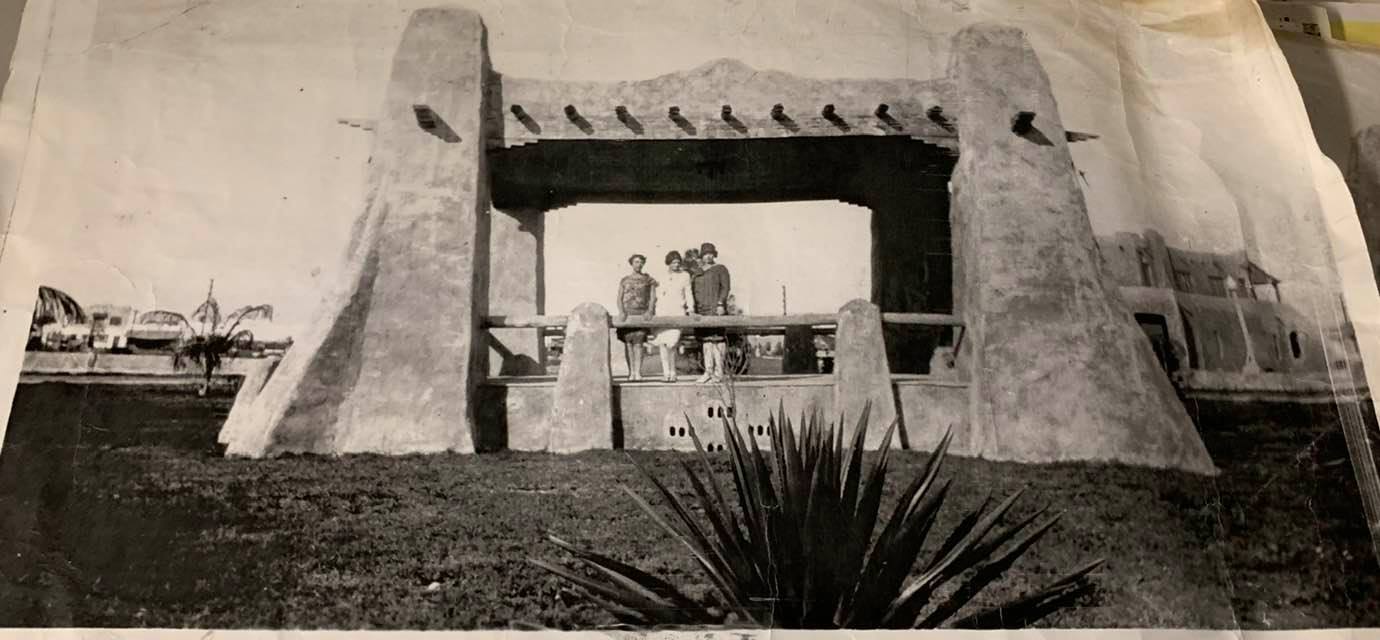
1928 Band Stand in the Miami Springs Circle with the Clune Engineering Building(later name the Stadnik Building) in the background on the right and downtown Hialeah in the background on the left. The ladies in the photo are L-R Elizabeth Lewis, Ruth Dunning, Clara Marik. – Ken Wilde
October 29, 1929: Black Tuesday / Start of the Great Depression
Thanks to the Great Miami Hurricane and the end of the Florida Land Boom, South Florida was already suffering a downward economic trend. When the Crash of 1929 happened, it crushed the prospects of a speedy recovery for the young Country Club Estates community. And it crushed the dreams the visionary Glenn Curtiss had for his newly born city.
1929: Sale of the Country Club Hotel
In 1929, following the nationwide economic meltdown, Curtiss sold the hotel to his friend, internationally recognized health and wellness expert Dr. John Harvey Kellogg, for “$10 and other valuable considerations” to be developed as a health spa. The official property deed had the then-usual restriction limiting ownership of the property to “persons of the Caucasian race” but contained the unusual provision that this condition did not preclude Battle Creek of Miami from having “guests or patients of other than the Caucasian race”. At a time when all Miami hotels were racially segregated this was a daring move on the part of Battle Creek. Dr. Kellogg lived and worked out of the “Miami Battle Creek Sanitarium” for many years, treating patients, developing new soy-based food products, writing and raising his large adopted family. During World War II the facility was rented to the Air Transport Command for recuperating military personnel, but reverted to the Kellogg operation at war’s end. It was sold to the Palms Spa Corporation in 1959, and continued as a wellness facility until it was purchased by Lutheran Services for the Elderly, and then Fairhavens Realty Corp. LLC for use as a home for the elderly, which it still is today.
Related Articles